Sport Pilot
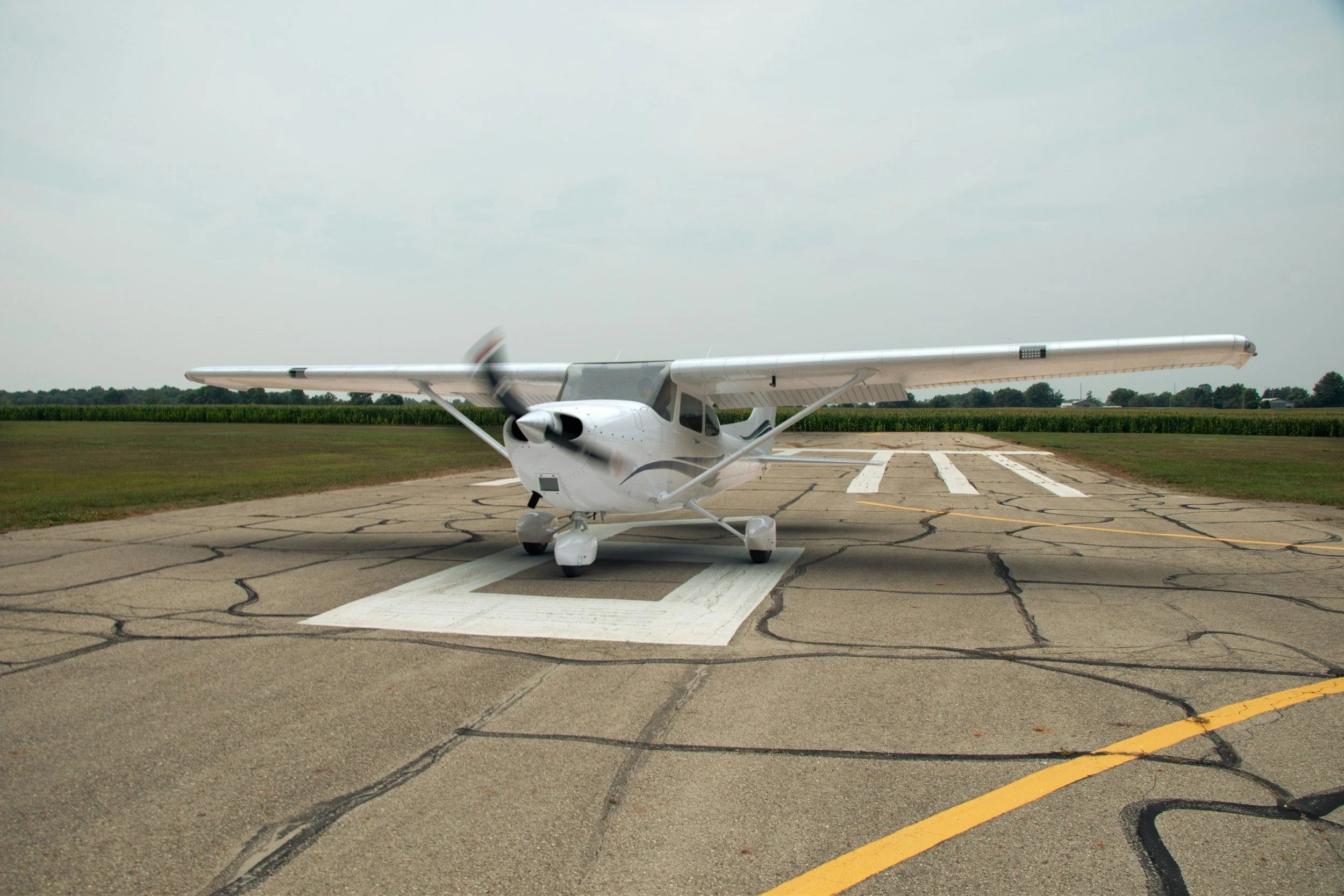
A sport pilot license is generally cheaper to obtain than the private pilot license, as it requires fewer flight hours and less stringent training requirements.
The sport pilot license is ideal for those who want to fly light sport aircraft for recreational purposes, such as flying for fun, enjoying the experience, or participating in local flying events.
Sport pilot license holders can operate in Class E and G airspaces without restrictions, and they can fly in Class B, C, and D airspaces with an instructor endorsement.
While sport pilot license holders can fly in Class E, and G airspaces without restrictions, they are limited to the U.S. airspace only for cross country flying.
Medical Requirements: Sport pilot license holders may use a Valid U.S. driver’s license as their medical certificate, provided they meet FAA self certification standards and have no known medical conditions that would make them unsafe to fly.
Sport Pilot Minimum Requirements:
At least 17 years old
Medical certificate or use valid U.S. drivers license
Ground study from an authorized flight instructor or home based study
Minimum 20/hrs of flight time with at least 15/hr with an authorized flight instructor and 5/hr solo
How to Become a Private Pilot
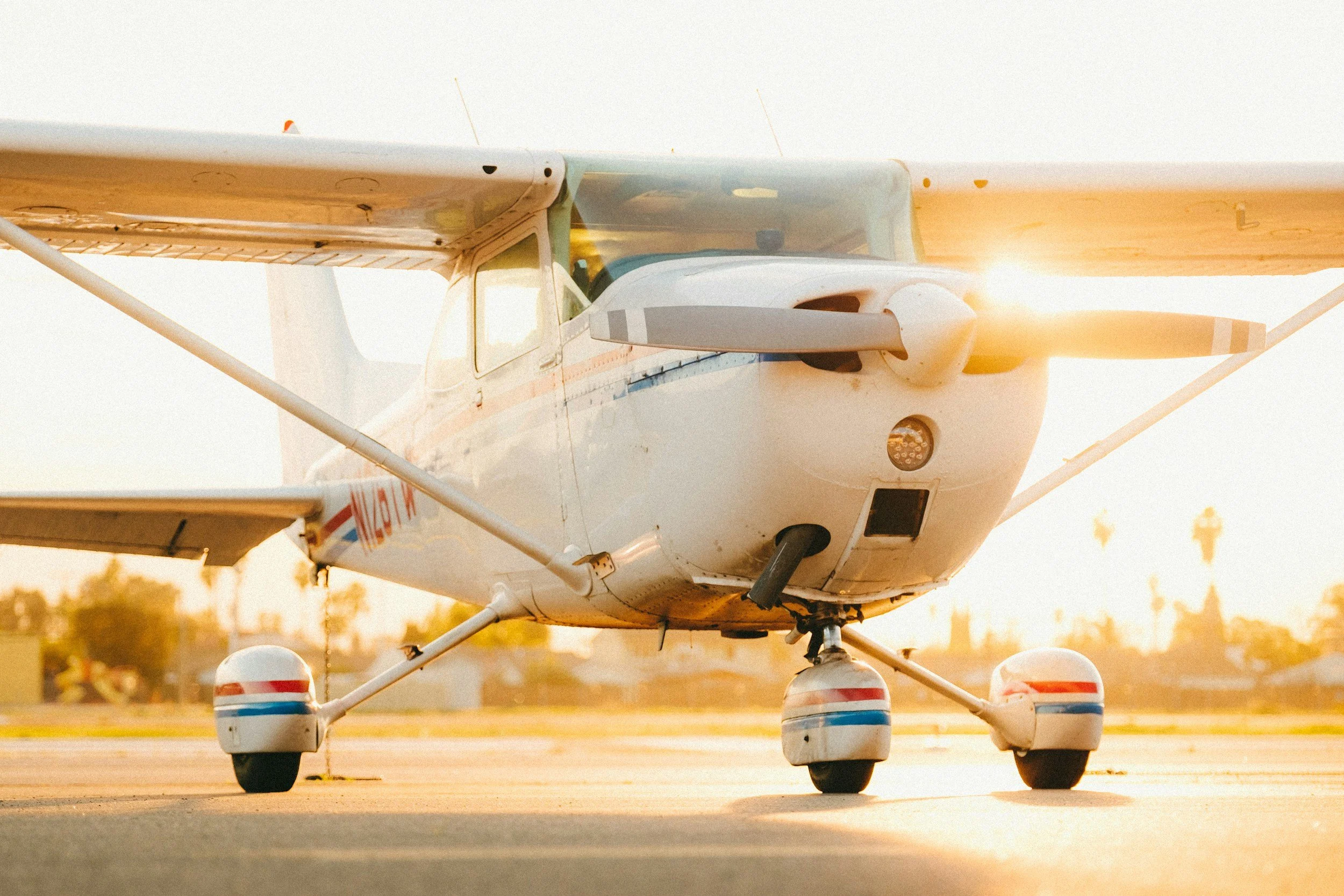
Start your journey in aviation with your private pilot certificate.
Whether your goal is to get to the airlines, or you just want to fulfill your childhood dream of becoming a pilot, the private pilot certificate is the first step.
Earning your private pilot license could be one of your life’s most rewarding achievements! My mission is to help you turn that dream into reality in a fun, safe and enjoyable atmosphere.
I train pilots under the FAA 14 CFR Part 61 program which allows you the flexibility to learn at a pace that fits your schedule.
Private Pilot License Requirements:
Be at least 16 years old to solo. (But you can start training before 16)
Be at least 17 years old to earn a private pilot license
Be able to read, write, speak and understand English.
Obtain at least a 3rd class medical certificate.
Receive and log ground training from an authorized instructor
Pass an FAA knowledge test.
Pass a practical test with an FAA examiner where your aeronautical knowledge and flying skills will be tested.
At least 40 hours of flight time
At least 20 hours with an authorized flight instructor
10 hours solo time
3 hours cross country
3 hours of night flight training with 10 night takeoffs and landings
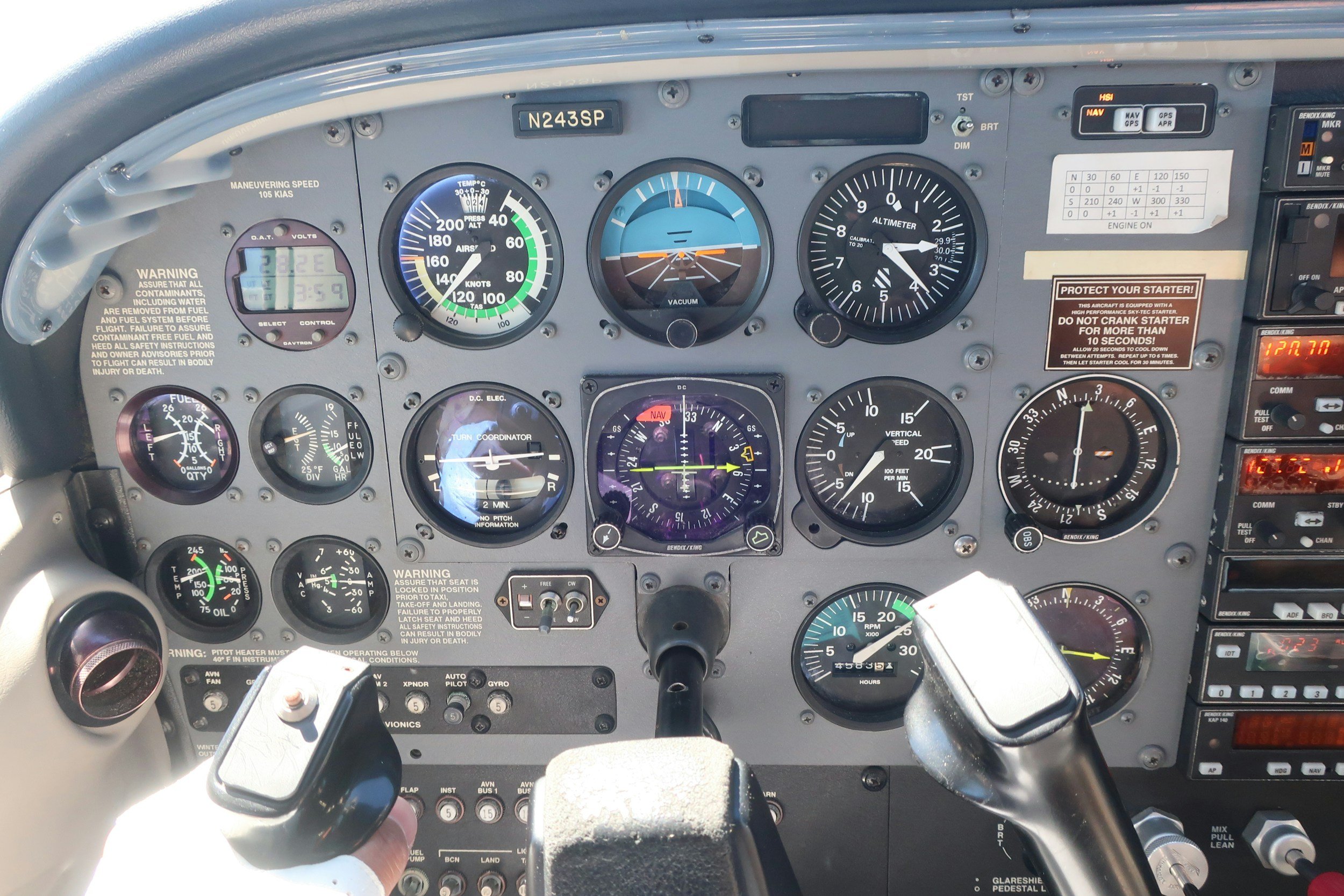
Earning your instrument rating will take your piloting skills to the next level.
Adding an instrument rating to your pilot certificate will allow you to fly into weather that would otherwise keep you grounded as a private pilot. You will learn how to fly by using the instruments only, as well as learn instrument approach procedures and departures along with other instrument flying procedures. You will also develop a deeper level of understanding on weather and air traffic control communications, aircraft control, and aeronautical decision making.
An instrument rating is recommended to all pilots willing to take their knowledge and skills to the next level as you will develop into a much safer and more capable pilot.
Aside from that, it is also a requirement for anyone pursuing a career in aviation.
How to Earn Your Instrument Rating
Instrument Rating Requirements
Log 50 hours of cross country flight time as pilot in command
Log 40 hours of simulated IMC flight time
Log 15 hours of instrument flight instruction from an authorized flight instructor

How to Earn a Commercial Pilot Certificate
Now that you have a Private Pilot Certificate and Instrument rated, what is next? Are you wanting to work as a pilot? Wanting to be paid as a pilot? Then you will need to get a commercial certificate. A lot think that once a private pilot certificate is received that they can go find a job and be paid as a pilot. Not quite… If you are looking for a career in aviation then the next step is going to be the commercial certificate.
In this course, you will take what you already know and advance it. At this point you have a private pilot understanding but after commercial you will know much more.
Once this certificate is received then the sky opens up to you!
To obtain a commercial certificate you will need:
250 hours of flight time
100 hours of pilot in command
50 hours of cross country
20 hours of training, including 10 of instrument, 10 hours of complex or TAA
10 hours of solo training